victoria@bridgeeducationaltherapy.co.uk
Victoria Benn, MEd (BPS), Dip SpLD/Dyslexia, NASENCo
Associate of the Dyslexia Guild (ADG)
victoria@bridgeeducationaltherapy.co.uk
Victoria Benn, MEd (BPS), Dip SpLD/Dyslexia, NASENCo
Associate of the Dyslexia Guild (ADG)
Founded by Victoria, an experienced and qualified SENCo with a Masters degree in Psychology, Bridge Dyslexia has evolved after providing targetted support to children with dyslexia for over two decades. Our mission is to unlock each child’s potential through personalised therapy plans that are both evidence-based and grounded in positive psychology.
What is dyslexia?
'Dyslexia is a set of processing difficulties that affect the acquisition of reading and spelling' (The Delphi Dyslexia Study, 2025)
Although dyslexia affects reading and writing skills, at its core it is about how children process information and can make it difficult to remember information. This presents differently with each child because dyslexia exists on a continuum, with presenting with a wide range of challenges.
Signs of dyslexia are dependent on the age of the child.
How do we work?
We offer a free 20 minute consultation via zoom or telephone to understand you and your child's concerns and what you are hoping to achieve from the sessions.
In our first session we will get to know your child through a range of fun activities to establish where to place your child on our programme. We design each programme to the needs of each individual child, but follow evidence based approaches to ensure best practice.
Each session runs for an hour, with a short brain break after 25 minutes.
We don't have a typical session, but please see the format below as a guide.
At the start of each lesson we spend five minutes orientating ourselves, thinking back to the last lesson, identifying any new issues and preparing to learn.
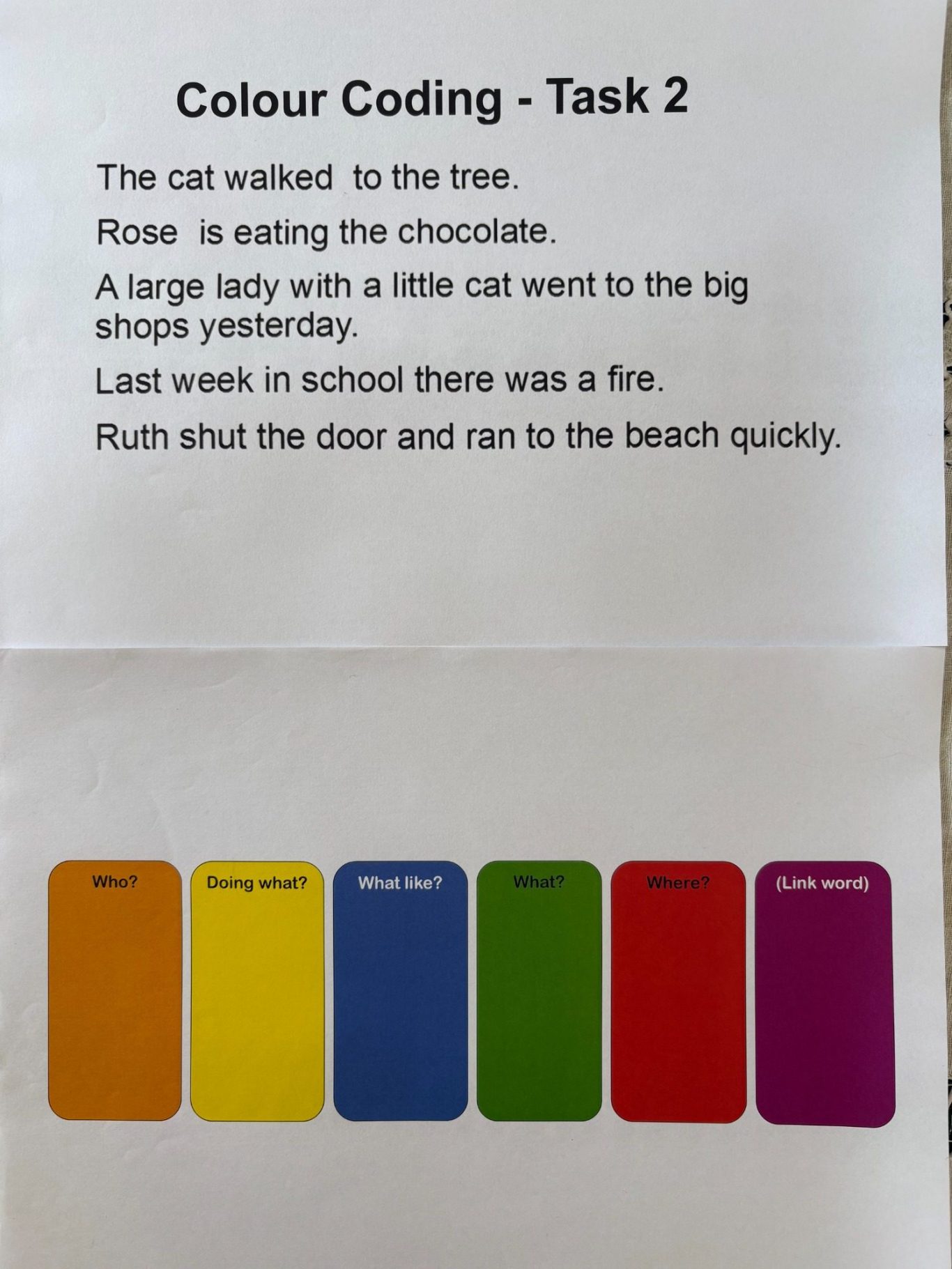
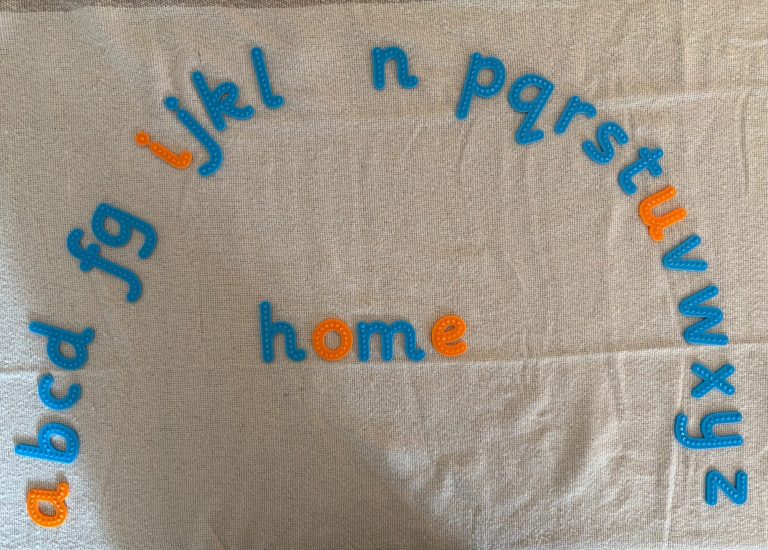
Evidence based research shows that children with learn best when they are engaging all their senses, especially those with dyslexia. At Bridge dyslexia we use colour, shape, story, nature, texture and movement to explore new learning.
When children learn something new they want to use it! It's not just exciting to discover you can do something you didn't think you could, but it helps to embed new learning in long term memory.
This simply means recapping the lesson, talking about what was easy, was was more challenging and just having the chance to feedback how the lesson went!
We need your consent to load the translations
We use a third-party service to translate the website content that may collect data about your activity. Please review the details in the privacy policy and accept the service to view the translations.